
11 May 2026
Commercial property case study: The 18-year journey of a property fund
From acquisition to exit: the journey of a long-term investment in an unlisted commercial property fund.
Investing in commercial property is a long-term play with the potential to generate a steady monthly income and achieve long-term capital growth. Like any investment class, there will be upCommercial Property Fund Case Study: Long-Term Investment Results | Oyster Property Groups and downs - but what matters most on commercial property is the time horizon.
To realise optimal returns, investors generally hold these investments for an extended period, riding through market cycles and asset-level changes.
This is the story of one investor, one building, and an 18-year journey inside a commercial property fund. It spans market highs, global recessions, and a global pandemic - and shows why taking a long-term view can make all the difference.
The return journey at a glance Over the 18 years this investor was in Oyster Property Group's 60 Khyber Fund, the asset weathered the Global Financial Crisis, a major tenant exit, three major refurbishments, and COVID-19 disruption. Despite this turbulence, they received consistent monthly income, exposure to long-term growth through reinvestment and benefited from stability through market cycles.
The result for that investor:
Year one: a clear business strategy
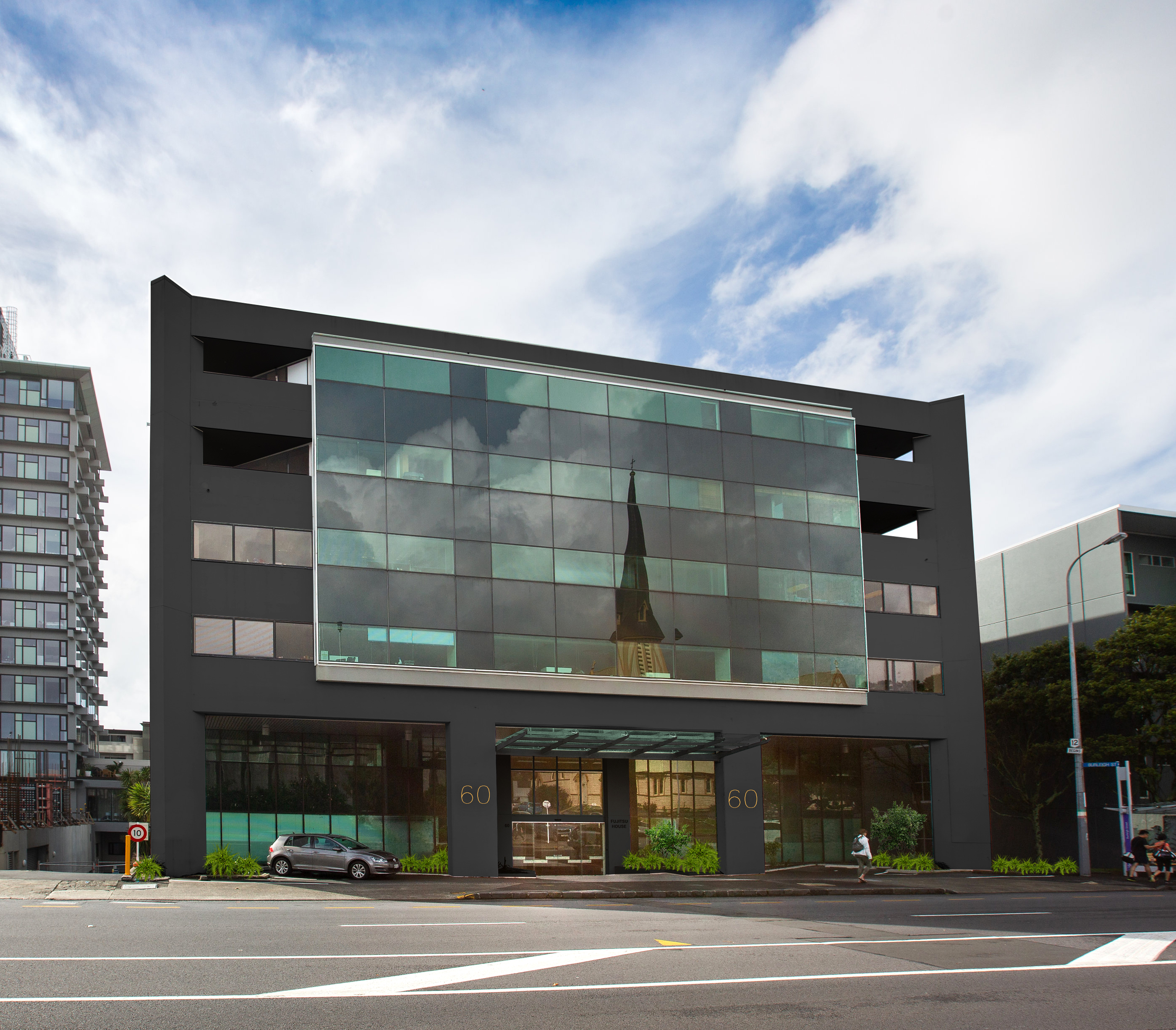
In June 2005, Oyster acquired 60 Khyber Pass Road in Auckland for $10.2 million. The asset was opened to investors in $100,000 parcels. The strategy was clear from day one: maximise income, invest for future resilience, and grow value through tenant strength and smart capital expenditure.
2009 to 2010: income reduced, asset upgraded
In the wake of the Global Financial Crisis, the anchor tenant exited. Rather than rushing to refill the space, Oyster reduced distributions and undertook a strategic refurbishment to reposition the asset.
The short-term impact: lower income. The long-term benefit: stronger tenant appeal and improved lease terms.
2013 to 2019: income strengthened, market strong
As occupancy stabilised and interest rates declined, the building entered a period of strong performance. For the investor, this marked a return to higher distributions - supported by a new well-known global brand as a tenant with a healthy 6-year lease, alongside other well-capitalised occupiers.
2019: adapting to a changing market
With new tenant needs emerging and parts of the building aging, Oyster reduced distributions again to initiate a second major refurbishment. This investment was strategic - anticipating evolving tenant expectations in the office market and positioning the asset to secure quality tenant covenants and extend the value lifecycle of the building.
2020: COVID-19 disruption
The pandemic created a temporary disruption across the property sector. Rather than increase income as interest rates decreased, Oyster kept distributions at a lower rate to prioritise tenant stability and secure a new anchor lease. As a result, the capital value was preserved - and the fund maintained a clear path to recovery.
2021 to 2023: re-leased, stabilised, and sold
With the property repositioned and stabilised, the decision was made to divest. The timing reflected a deliberate strategy - crystallising gains following post-COVID stabilisation while tenant strength and occupancy were at target levels.
In early 2023, the property was sold for $21 million - more than double its original purchase price.
Long-term investing, in practice
This isn’t just the story of one property. It’s an example of how commercial property works when it’s done well — and why investors need to think in decades, not quarters.
What it shows:
Proudly Managed by Oyster Property Group


